

Want to spend less on food in Europe without missing out? Save on the meals you barely notice, then keep room in the budget for the food and experiences you actually want. Breakfast in your apartment, a supermarket picnic and one carefully chosen paid attraction can leave more money for a memorable family meal.
You do not need to cook every night or spend your holiday hunting discounts. You need a plan for the repeated costs: four breakfasts, drinks when everyone is hot, snacks between activities and tickets bought before checking whether the children qualify for free entry.
Here is how to spend less on food in Europe while still enjoying the holiday, with supermarket checks, restaurant comparisons, sightseeing maths and the rules to check before bringing purchases home.
By Dr Kalpana Govindaraasan, MoneySavvyUK. Sources checked 30 October 2026. Meal budgets and pass comparisons are illustrative, not live quotes. Conversions use £1 = €1.15, rounded to the nearest penny. The Louvre example uses its official published admission information checked on that date; recheck before booking.
Spend less on food in Europe: start with a budget your family can use
1. Price the ordinary day before the special meal
A daily allowance is more useful when it names the meals. Decide which breakfasts will be included, which lunches can be picnics and how often you want to eat out. Include snacks and drinks rather than hoping they will disappear into the main budget.
| Illustrative day for two adults and two children | Eating out for each meal | Mixed approach |
|---|---|---|
| Breakfast | €32 | €12 from groceries |
| Lunch | €44 | €18 picnic |
| Dinner | €64 | €64 restaurant meal |
| Snacks and drinks | €20 | €10 planned purchases |
| Daily total | €160 (£139.13) | €104 (£90.43) |
The difference is €56 (£48.70) a day. Repeat that pattern on five days and it becomes €280 (£243.48). The point is the calculation, not a claim that every European destination offers these prices. Replace each line with your own accommodation, supermarket and menu figures.
Keep treats in the plan. A budget that allows nobody an ice cream is unlikely to survive a week with children. Choose what matters most and save on the purchases you would forget by next Tuesday.
2. Check whether paying more for breakfast saves anything
Suppose breakfast costs an extra €12 per person per night. For four people over seven nights, that adds €336 (£292.17). Compare it with the cost of the breakfasts your family would realistically buy elsewhere, including travel time and convenience.
A hotel breakfast can be good value when it suits your schedule and dietary needs. It is less useful when you leave before service starts or the children only want a small snack. Ask about children’s prices, early departures and what the package includes.
MSE’s package-holiday guide also suggests comparing the total value of board options. All-inclusive can be worth pricing, but check the actual meals, drinks, service times and exclusions. Our Jet2 holidays versus DIY comparison helps keep the whole booking cost in view.
Use the supermarket for the repeated purchases
3. Plan a small first shop, not a trolley full of good intentions
Before arrival, locate a supermarket near the accommodation and check its opening hours on the retailer’s own site. A map listing is a useful starting point; holiday and Sunday hours can differ. Have a simple arrival-night option in case the flight is late.
Buy for the next day or two first. A short list might include breakfast ingredients, suitable picnic food, fruit, drinks and an easy evening meal. Choose quantities that fit the fridge and the remaining days.
For local store searches, use official locators such as Carrefour France, Mercadona Spain, Lidl Spain or Conad Italy. These are places to investigate, not a claim that one chain is always cheapest or available at your destination.
4. Compare unit prices and prepared portions
A large pack can be cheaper per kilogram and still waste money if half goes in the bin before departure. Compare the amount you will eat, the storage available and whether you have the equipment to prepare it.
At a deli or prepared-food counter, ask for the price basis before ordering. A sign might show a price per 100g rather than per portion. At an illustrative €2.40 per 100g, a 350g portion costs €8.40 (£7.30). Four portions at that weight cost €33.60 (£29.22), before drinks or bread.
That could still suit your family. What matters is comparing it with the whole lunch rather than reading €2.40 as the cost of a meal. Ask for a smaller quantity if needed and check the final label before paying.
5. Check what the apartment actually provides
“Kitchenette” does not tell you whether there is a hob, microwave, fridge, freezer compartment or suitable utensils. Confirm those details before planning meals around them. Ask about washing-up supplies and whether basic ingredients are provided.
Buying oil, condiments, cleaning products and several large packs for a three-night stay can eat into the saving. A simple breakfast and no-cook lunch may suit the accommodation better than ambitious dinners.
Choose food that can be stored and transported safely. Follow packaging instructions and local food-safety advice. A picnic saving is not worth leaving perishable food in a hot car or carrying it for hours without suitable cooling.
Eat out for the meal you want, at a price you understand
6. Compare the lunchtime menu with the evening bill
In Spain, look for a menú del día; in France, a lunch formule or menu du jour may offer a set combination. Read the displayed menu rather than assuming the name guarantees a bargain or that every restaurant offers one.
Check the days and hours, number of courses, drink inclusion, children’s choices and any supplements. Ask whether the displayed price applies to the dishes you want. A set meal nobody enjoys is not useful value.
Suppose two adult set lunches cost €16 each, two children’s meals cost €9 each, and the drinks you need are included. The total is €50 (£43.48). An evening order of two €24 mains, two €11 children’s meals and €12 of drinks totals €82 (£71.30).
The difference is €32 (£27.83). Moving the main restaurant meal to lunch on three days would change that example budget by €96 (£83.48). Check actual menus first; lunch is not universally cheaper.
7. Read the small charges before sitting down
Check whether the menu distinguishes takeaway, counter, indoor-table or terrace prices. Ask about cover charges, bread, service and optional extras where these appear. There is no single Europe-wide restaurant charging rule.
For a family, a €3-per-person charge adds €12 (£10.43). A €1.50 difference on each of four drinks adds €6 (£5.22). Individually these may feel small; together they can change which restaurant fits the evening budget.
Do not build your plan around demanding free tap water everywhere. Ask whether drinking water is available and what it costs. Refill bottles where water is explicitly suitable for drinking, follow local notices and avoid treating every decorative fountain as a refill point.
8. Keep allergies and dietary needs ahead of discounts
Look up suitable food options before the family is hungry. Keep a clearly translated explanation of the relevant allergy or dietary requirement and ask staff about ingredients and preparation. If communication is unclear, choose another suitable option rather than guessing.
A vegetarian label does not establish gluten suitability, and gluten-free does not mean suitable for every other allergy. Check the particular need. Translation apps and reviews can help you prepare questions, but they do not confirm a kitchen’s ability to provide a safe meal.
Keep a clearly translated dietary card on your phone, with an offline copy, stating the exact requirement and relevant cross-contact concerns. Distinguish coeliac disease, an allergy and a vegetarian preference rather than using one vague description. Show it to staff and ask how the meal will be prepared; a rushed verbal exchange is not enough to resolve uncertainty.
In Italy, consult AIC’s Alimentazione Fuori Casa programme and current venue information when researching gluten-free dining. Confirm current participation and discuss your needs with the venue. Do not interpret a window sticker as a guarantee of an entirely gluten-free kitchen or protection against every allergen.
Build the food budget around meals you can actually eat. Keep a suitable backup snack and check destination import rules before packing food from home. A cheap surprise bag is not automatically appropriate when the contents or cross-contact risks are uncertain.
Try surplus-food apps only when they fit the day
9. Count collection costs and uncertainty
Too Good To Go describes reserving and paying for a Surprise Bag, then collecting it within the specified time. Check the app for participating businesses at your destination; availability, contents and collection windows vary.
Compare the whole errand. A hypothetical €5 bag plus €4 of transport costs €9 (£7.83). If a suitable nearby meal costs €10, the cash difference is only €1 (£0.87), before considering the time spent collecting.
Use it when the location, timing and likely contents suit you. Do not make it the only dinner plan for tired children or assume the app guarantees food meeting a particular dietary need. Read the listing and contact the business where necessary.
Treat a Surprise Bag as a flexible bonus, not the baseline dinner plan. A hypothetical €4 (£3.48) bakery bag might be useful for tomorrow’s breakfast, but several loaves are not necessarily the meal you need tonight. The saving depends on what your family can actually use.
Check the precise collection slot before paying. It may clash with sightseeing or require another journey. Read any dietary labels or options shown in the local app and confirm relevant restrictions with the business; filters and a bag description do not guarantee allergen safety or exact contents.
Check free admission before buying family attraction tickets
10. Build the ticket basket around your actual children
Check the attraction’s official site for age limits, residency conditions, proof required and timed reservations. Do this before buying a reseller’s family bundle or city pass. Children who qualify for free entry can change the comparison completely.
The Louvre’s official admission page, checked on 30 October 2026, lists €32 for visitors who are neither residents nor citizens of the European Economic Area. It lists free admission for under-18s, with identification required. Other eligibility categories apply, so check the full list.
For two adults paying that €32 rate and two children under 18, admission totals €64 (£55.65), rather than €128 (£111.30) for four adult-rate tickets. Do not assume that a UK resident aged 18–25 qualifies for the EEA under-26 concession simply because the trip is in Europe.
The museum recommends time-slot bookings, including for free-admission visitors. Check the official booking process and bring the required proof. Free entry does not mean you can ignore capacity or reservation arrangements.
11. Make free-entry times work for your family
The same Louvre page lists free admission for all visitors on the first Friday of the month after 6pm, except July and August. Recheck the dates and reservation instructions before planning around it. A late museum visit only saves money if it suits the children and your journey home.
You can also plan around free outdoor spaces. The Louvre lists the Tuileries Garden as free to enter. Keep the paid visit you care about and use nearby walks or gardens for a lower-cost part of the day, subject to opening hours and any restrictions.
Do not generalise one museum’s policy to another. Check each attraction separately. Free-entry periods can be busy, and travelling across a city solely to save an admission charge can create extra transport and meal costs.
Does a city pass really save your family money?
12. Compare only the attractions you will actually visit
Write down the individual prices after applying children’s concessions. Add the transport you genuinely need. Then compare with the pass price, checking whether reservations, airport services and particular attractions are included.
| Illustrative two-day plan | Separate eligible tickets |
|---|---|
| Museum A: family cost after child concessions | €44 |
| Attraction B: family cost | €36 |
| Transport you will use | €20 |
| Useful individual total | €100 (£86.96) |
| Hypothetical family pass | €130 (£113.04) |
The pass costs €30 (£26.09) more for that plan. Visiting an unwanted €40 attraction would not turn the original itinerary into a saving. It would turn the holiday into a busier itinerary.
Check whether validity means calendar days or a rolling number of hours, when activation occurs and whether a child’s pass includes anything the child needs to pay for. Do not assume “transport included” covers the airport. Our airport transfer guide explains why boundary and service restrictions matter.
13. Put meals beside the activities
Check outside-food rules before packing a picnic for a paid attraction. If food is restricted, plan an allowed meal before entry or compare on-site options in advance. Include leaving and re-entry conditions when deciding whether an outside lunch is practical.
Build the route around one main paid activity and realistic breaks. A slightly longer stop at a suitable supermarket can be useful; crossing the city for a €2 saving usually needs a better reason. Save offline maps and the relevant bookings using our phone preparation guide.
Bringing food and purchases home: check two sets of rules
14. A customs allowance is not permission to import every food
GOV.UK currently restricts specified meat and dairy products brought into Great Britain from the EU and associated countries. Its list includes cheese, milk, butter and yoghurt, as well as the specified meats and products made from them. Check the live guidance for the exact product and route before buying food to bring home.
For travel into the EU from Great Britain, EU guidance also restricts meat and dairy imports, with specific exceptions and conditions. Do not assume a supermarket sandwich is permitted simply because it is for personal use. Northern Ireland and some other routes have different arrangements.
Buy what you can enjoy during the trip, then check anything intended for the return journey. Product restrictions and customs allowances are separate checks. A low price does not make a restricted item permissible.
15. Do the duty-free calculation after baggage costs
For other goods, GOV.UK lists a personal allowance of £390 when arriving in Great Britain by commercial plane or boat, with different provisions for private transport. Alcohol and tobacco have separate allowances and conditions. Check the current rules, including declaration requirements; allowances cannot simply be pooled between family members.
Suppose an allowed purchase costs €25 (£21.74) abroad and £28 at home. The apparent saving is £6.26. If it triggers an additional £20 bag charge, that purchase alone no longer saves money. Include tax or duty where applicable and only buy something you wanted in the first place.
Our school holiday flights and baggage guide helps compare the whole flight cost. Check liquid security and carriage rules for the actual itinerary too, particularly if connecting through another airport.
For eligible travellers aged 17 or over arriving in Great Britain, GOV.UK lists a spirits allowance of 4 litres for drinks over 22% ABV and a tobacco option of 200 cigarettes. These are examples from separate allowance categories, not the entire rules: mixing products changes the calculation, and allowances cannot be pooled. Retailer purchase-age requirements also apply. Duty-free availability depends on the journey and retailer, not simply your nationality.
For airport or onboard liquid purchases carried through UK security, GOV.UK says the items and visible receipt must be sealed in the security bag at purchase. Keep it unopened until your final destination. Security staff may open it for screening. Check every transit airport’s current rules before buying; an ordinary shopping bag is not the required security bag.
Keep the savings without turning the holiday into work
Choose a few repeatable habits: breakfast you can afford, a planned drink stop, tickets checked for child concessions and a simple next-day food plan. Review what is left in the fridge before shopping again.
Keep a separate amount for treats and a buffer for changes. Our 50/30/20 calculator and free money calculators can help organise the saving before departure. Avoid using a potential future refund to fund today’s meal budget.
Want to organise the holiday budget before you travel? My free 7-Day Financial Reset Kit helps review spending and planned bills. The signup page explains the MoneySavvyUK emails you will receive.
My Sinking Funds & Savings Pots planner is an optional paid product for organising the holiday fund. Start with the free calculators if you prefer a free tool.
Frequently asked questions
How can a UK family spend less on food in Europe?
Start with the repeated meals. Compare breakfast costs, plan suitable supermarket lunches and choose which restaurant meals matter most. Include drinks, snacks, storage and preparation costs. Use actual local menus and store prices rather than treating illustrative budgets as quotes.
Is a menú del día always cheaper than eating in the evening?
No. Check the displayed lunchtime offer, days, hours, courses, drink inclusion and supplements. Compare the full family bill with the evening meal you would otherwise buy. The set menu only helps if it suits your family and dietary needs.
Do UK children get free entry to the Louvre?
The official page checked for this article lists free admission for under-18s, with identification required. Other concessions have separate conditions. Check the current rules and time-slot booking process before travelling; do not assume the EEA under-26 concession applies to every UK visitor.
Are European city passes worth buying for families?
Compare only the attractions and journeys you will use, after applying child concessions. Check validity, reservations and transport exclusions. A pass can cost more than separate tickets, especially where children already receive free admission.
Can I bring European cheese home to Great Britain?
Check current GOV.UK guidance before buying. The restrictions checked for this article include cheese and other specified dairy products from the EU and associated countries. A customs allowance does not override food import restrictions, and rules differ for some routes.
Keep planning your cheaper European holiday
- Check overseas card charges before paying the restaurant bill.
- Compare car hire and parking before choosing day trips.
- Check healthcare and travel insurance before departure.
- Know what to do if disrupted travel changes your plans.
Planning the whole trip? Return to our cheap European holiday guide for UK families for the budget worksheet, planning timeline and all ten travel guides.
Sources, checks and author
Checked 30 October 2026: Louvre admission, concessions and garden information; GOV.UK food import restrictions; GOV.UK personal allowances; EU food import guidance; Too Good To Go’s collection process; and MSE’s package holiday and board-basis comparison guidance. Other meal and pass figures are worked examples, not prices verified at named businesses.
Written by Dr Kalpana Govindaraasan for MoneySavvyUK. General budgeting information; read our financial disclaimer. This article does not invent personal visits, savings or restaurant experiences. Check the current official terms before booking or buying.
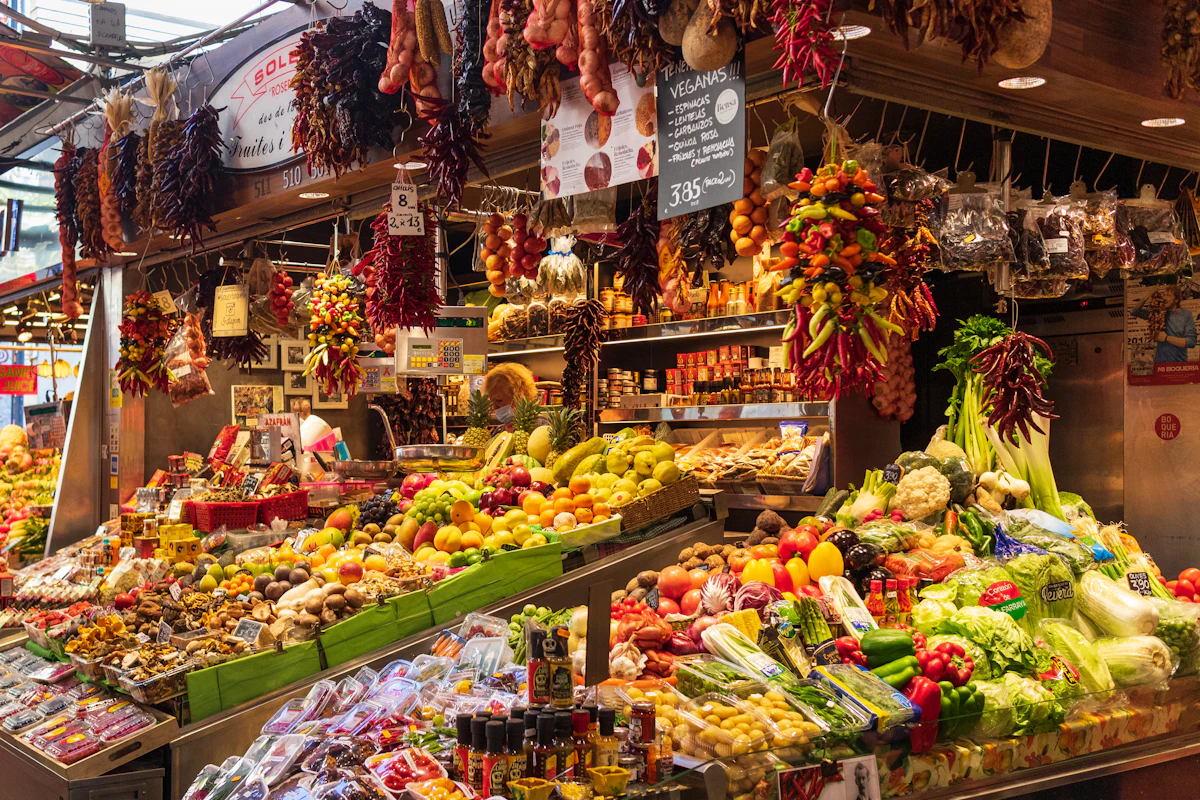
Featured photograph: Mark Pecar / Unsplash. Photographs illustrate the topic and do not establish current supermarket or restaurant prices.