

By Dr Kalpana Govindaraasan. Lender terms checked 27 November 2026. This is general information and does not constitute mortgage advice.
A £300,000 home usually means saving £15,000 if you’re aiming for a 5% deposit. Nationwide’s new 1% mortgage brings the deposit on that same home down to £3,000. That’s £12,000 less to save upfront, but it also means borrowing £12,000 more before you compare interest rates.
Quick answer. Nationwide launched its Helping Hand 1% deposit mortgage on 25 November 2026 at 5.99% fixed for five years, with no product fee. Eligible first-time buyers can borrow up to 99% of the value of an existing house. Income must be at least £30,000 for a sole application or £50,000 jointly. Flats and new builds are excluded. Check Nationwide’s current eligibility and see the launch announcement.
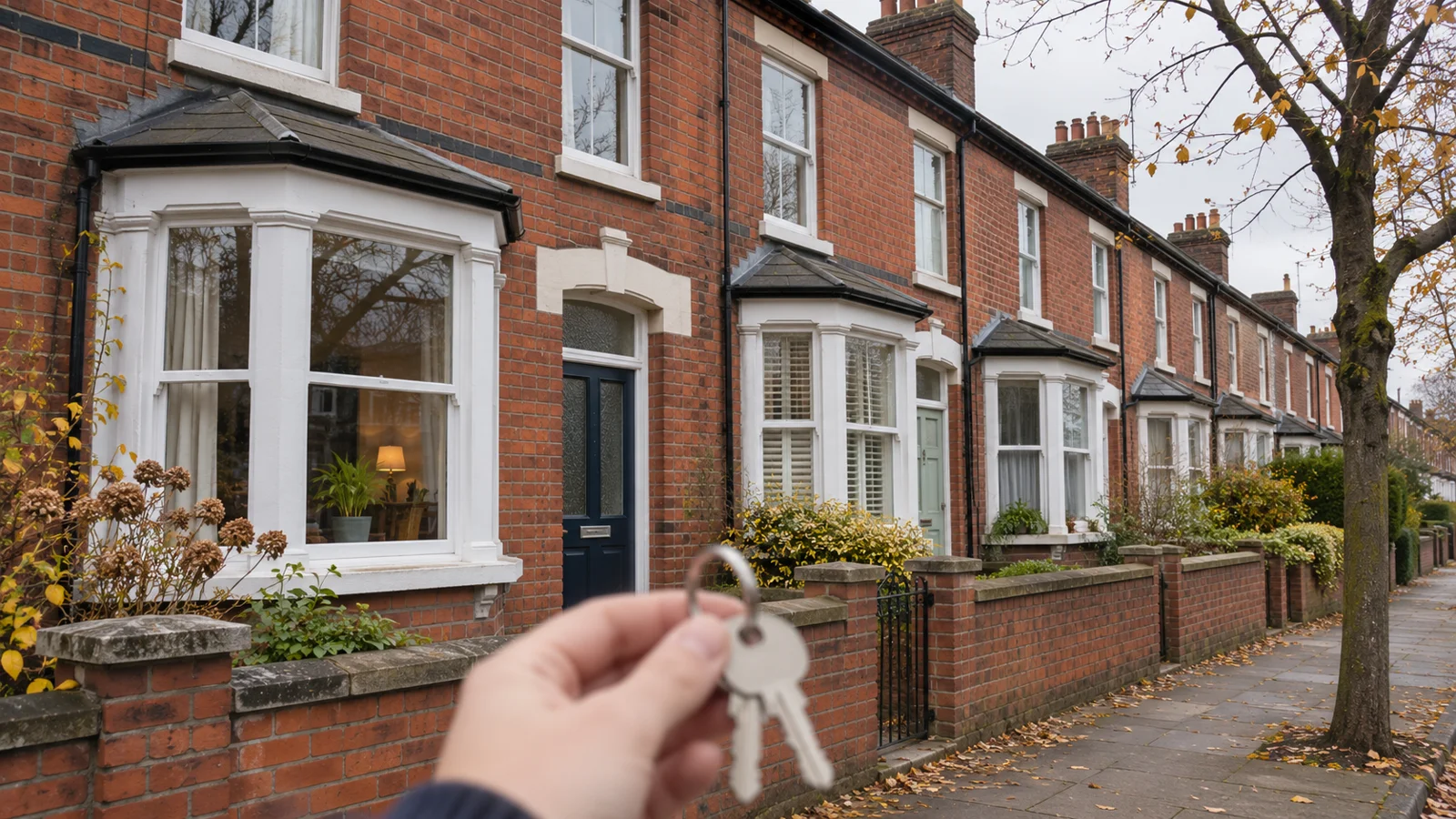
How does the Nationwide Helping Hand 1% deposit mortgage work?
Loan-to-value, or LTV, is the amount you borrow as a percentage of the property value. On a £300,000 house valued at the agreed price, putting down £3,000 leaves a £297,000 mortgage, or 99% LTV. With a £15,000 deposit, the mortgage falls to £285,000, or 95% LTV. You can put down more than 1%. Ask for quotes at each deposit level you could realistically reach because the rate and fees can differ.
Nationwide says eligible Helping Hand borrowers could borrow up to six times their income, subject to credit scoring and affordability. The product has a £750,000 loan ceiling and a maximum term of 40 years. Even at the maximum income multiple, a £297,000 mortgage would need £49,500 of income on the arithmetic alone, and a joint application would still have to meet the separate £50,000 minimum. Your actual offer could be lower once the lender has considered other commitments and the property.
The mortgage is repayment only. Nationwide lists £500 cashback when you move in. Keep that money out of your pre-completion budget. A lender valuation supports the lender’s decision, while an independent survey helps you understand the condition of the home.
Who qualifies for the Nationwide 1% deposit mortgage?
- You must be 18 or over and meet Nationwide’s first-time buyer criteria, which include having had no mortgage in the last three years. Both applicants must qualify on a joint application.
- The minimum income is £30,000 for a sole application and £50,000 combined for a joint application.
- Your main source of income cannot be self-employment.
- The property must be an existing house. It can be freehold or a leasehold house with at least 90 years left on the lease. Nationwide’s broker guidance also excludes flats, new builds and listed buildings.
- Shared Ownership and Right to Buy are excluded. The lender still checks your income, outgoings, credit history and the property.
Check your credit record before applying for a mortgage, and use the first-time buyer mortgage checklist to get your paperwork ready. If you’ve previously owned property, confirm Nationwide’s definition directly and check any first-time buyer tax relief or savings-scheme rules separately.
What does a 1% deposit cost compared with a 5% deposit?
Here’s a like-for-like comparison on the same £300,000 house, with both mortgages repaid over 25 years. I’ve used Nationwide’s 5.99% launch rate for the 1% example and an illustrative 5.60% for the 5% example. The 5.60% figure is a modelling assumption. Get a live quote with the fees included before comparing your options.
| Cost | 1% deposit at 5.99% | 5% deposit at illustrative 5.60% |
|---|---|---|
| Deposit | £3,000 | £15,000 |
| Starting mortgage | £297,000 | £285,000 |
| Monthly repayment | £1,911.76 | £1,767.21 |
| 60 monthly repayments | £114,706 | £106,033 |
| Interest in the first five years | £84,766 | £75,840 |
| Mortgage still owed after five years | £267,060 | £254,807 |
In this example the smaller deposit costs about £145 more per month and about £8,926 more in interest over the first five years. The larger deposit also ties up another £12,000 upfront. The calculation assumes monthly repayment, unchanged rates for those five years and no overpayments. It excludes fees and cashback. Lenders may calculate interest daily, so use your mortgage illustration for the exact numbers.
Who might a 1% deposit mortgage suit?
- Worth comparing: You meet the lender’s criteria, are buying an eligible house and expect to stay for at least five years. Your budget can comfortably cover the mortgage (about £1,912 a month in this example), running costs and emergency savings. A joint income of £50,000 meets the lender’s minimum income rule. Affordability checks still apply.
- Look at other options: You want a flat or your main income is from self-employment. If you expect to move in two or three years, check early repayment charges and how you’d cover a shortfall if the property sells for less than you owe.
Buy now or rent while you save the extra deposit?
Saving £500 a month towards the extra £12,000 takes 24 months. At £1,300 a month, you’d pay £31,200 in rent while saving. The £8,926 figure above measures the extra mortgage interest over five years after purchase, so the two totals cover different periods and costs.
To compare buying now with waiting, use the same time horizon. Include mortgage interest, maintenance, insurance and purchase costs, and compare the equity you’d have at the end. At £1,911.76, the example mortgage payment alone is about £612 more per month than the example rent, although part of that payment builds equity. Use the mortgage comparison calculator to test payments and the rent vs buy calculator to compare wider costs.
Ask what happens when the fix ends. Compare the balance still owed and the payment you could afford if rates rise. A longer mortgage term can reduce the monthly bill, but you usually pay more interest overall if you keep the loan for longer.
Risks to check before buying with a 1% deposit
1. A small price fall can wipe out your equity
On that £300,000 home, a 1% fall takes the value to £297,000, equal to the starting balance. A 2% fall takes it to £294,000, leaving you about £3,000 in negative equity if it happens before you repay any capital. The same 2% fall in the 5% example leaves £9,000 of equity at the starting balance, before selling costs.
Negative equity matters particularly if you need to sell or switch lenders. Even with some equity, a high LTV could limit the deals open to you. If you might move during the fix, check whether you can take the mortgage with you, whether the lender would reassess affordability and whether an early repayment charge could apply.
2. Budget for buying costs and keep a cash buffer
Get written quotes for conveyancing and searches, an independent survey and removals. Leave room for initial repairs, insurance and bills. An illustrative budget of £1,700 for legal work and searches, £600 for a survey and £700 for moving adds £3,000 before any property tax or emergency savings. On the £300,000 example that takes cash needed from £3,000 to £6,000. Use the UK home-buying costs checklist and MoneyHelper’s guide to buying and moving costs to estimate your own figures.
In England and Northern Ireland, eligible first-time buyers claiming Stamp Duty Land Tax relief pay £0 on a £300,000 home. In Scotland, eligible buyers can claim LBTT first-time buyer relief with a £175,000 nil-rate threshold. Wales uses Land Transaction Tax and has no separate first-time buyer relief.
From my own first-home experience. I arrived in the UK with £1,000 and we saved a £36,000 deposit in three years on one salary. When I compare a smaller deposit with waiting, I’d look at what’s left in cash after completion and whether the new monthly bill still lets me save. If buying would empty your savings, work through the £1,000 emergency fund guide alongside your deposit plan.
Other low-deposit mortgages to compare
- Lloyds and Halifax list £5,000 deposit products for homes priced from £102,000 to £300,000. The lender group quotes a maximum 98% LTV. Their published criteria exclude gifted deposits and new builds.
- Accord Mortgages, available through intermediaries, lists a £5,000 minimum deposit, a £500,000 maximum purchase price and a 4.49-times income cap. Eligible existing flats can qualify. Accord excludes new builds and homes in Northern Ireland under this product.
- A 5% deposit is worth pricing if you’re close to saving it. Compare how long it would take and what you’d pay in rent while waiting. Ask for written quotes at both deposit levels and compare fees, repayments, exit charges and the balance left when the fix ends.
Frequently asked questions
What happens if house prices fall and I go into negative equity?
A fall in value alone usually leaves your monthly payments unchanged. The main problems arise if you need to sell or switch lenders. If your home sells for £291,000 and you owe £295,000, there’s a £4,000 shortfall before selling costs.
If remortgaging elsewhere is difficult, ask Nationwide if it can offer a new deal on your existing loan. See MoneyHelper’s negative equity guide.
Could Klarna, an overdraft or a missed phone bill get my mortgage application rejected?
Approval depends on your overall credit and affordability assessment. Buy Now Pay Later balances and overdraft use can affect how much you can borrow. A recent missed payment, default or county court judgment (CCJ) can make approval harder. Check your credit reports before applying and ask the lender how it would assess your circumstances.
Can I apply if I’m self-employed, on probation or on a zero-hours contract?
Nationwide excludes applicants whose main income is from self-employment. If you’re on probation or work variable hours, ask whether your contract and payslips meet the criteria and how much of your income Nationwide can count. Check this before relying on overtime or side income to reach the minimum.
What if the boiler or roof needs replacing just after I move in?
If the deposit and buying costs would use all your savings, work out how you’d pay for urgent repairs before committing. Keep a separate cash buffer. Ask a surveyor which independent survey suits the property, and get quotes for any work it flags before you reach a legally binding commitment.
Can I sell or move before the five-year fix ends?
Yes, but paying off the loan early may trigger an early repayment charge. Check your offer for the amount. If you’re buying another home, ask about porting your rate. Nationwide reassesses eligibility and the new property, and charges can still apply if you move only part of the loan.
Can I buy a flat with Nationwide’s 1% deposit mortgage?
No. The product is for eligible existing houses. An existing leasehold house may qualify if at least 90 years remain on its lease.
What is the interest rate on the Nationwide 1% deposit mortgage?
Nationwide announced a 5.99% five-year fixed rate with no product fee on 25 November 2026. Check the current rate, any fees and follow-on terms in your mortgage illustration.
Can I borrow six times my salary with a 1% deposit?
Potentially, through Helping Hand. Six times income is an upper limit and your offer depends on affordability, credit checks, the property and the £750,000 product maximum.
Is a 1% deposit mortgage a good idea?
It can bring forward a purchase if your repayments are affordable and you have cash for costs and emergencies. It leaves less room for house price falls and can increase monthly payments. Compare it with a larger deposit before deciding.
Does no product fee mean I can buy with just the deposit?
No. Legal work, surveys, moving and any applicable property tax can still cost money. Price those separately and keep money aside for unexpected bills after moving.
Can I use a Lifetime ISA or a gifted deposit with Nationwide’s 1% mortgage?
Money from parents: Nationwide accepts gifted deposits for this mortgage under its usual rules. Tell Nationwide and your conveyancer who gave you the money and whether any conditions apply. If your parents expect repayment, explain the arrangement before counting it towards the deposit.
Lifetime ISA: You can use eligible LISA savings and the bonus towards a first home bought with a mortgage. For a charge-free purchase, the property must cost £450,000 or less and you must have made your first LISA payment at least 12 months earlier. Ask your conveyancer to arrange the withdrawal and confirm timings with Nationwide.
What happens after the five-year fixed rate ends?
If you do nothing, Nationwide says newer mortgages move to its variable Standard Mortgage Rate (SMR). You can compare a new Nationwide deal with remortgaging elsewhere. Check your offer for the follow-on terms and any charges.
In our example, you repay about £29,940 in capital, leaving about £267,060. If the home is still worth £300,000, that’s about 89% LTV. You may then qualify for deals in the 90% LTV band, depending on the lender’s valuation, eligibility rules and the rates available at the time.
If you want a personal recommendation, speak to an FCA-authorised mortgage adviser and ask how they’re paid, including whether they charge you a fee. Your home may be repossessed if you do not keep up repayments on your mortgage.
Make room in your budget for a deposit and moving costs
Use the free 7-Day Financial Reset Kit to review subscriptions and upcoming renewals. Put any savings you find towards your deposit, survey or moving buffer. Start with the free first-time buyer mortgage checklist if you’re already gathering paperwork.